US Dept of Labor Workers Compensation Eligibility Explained
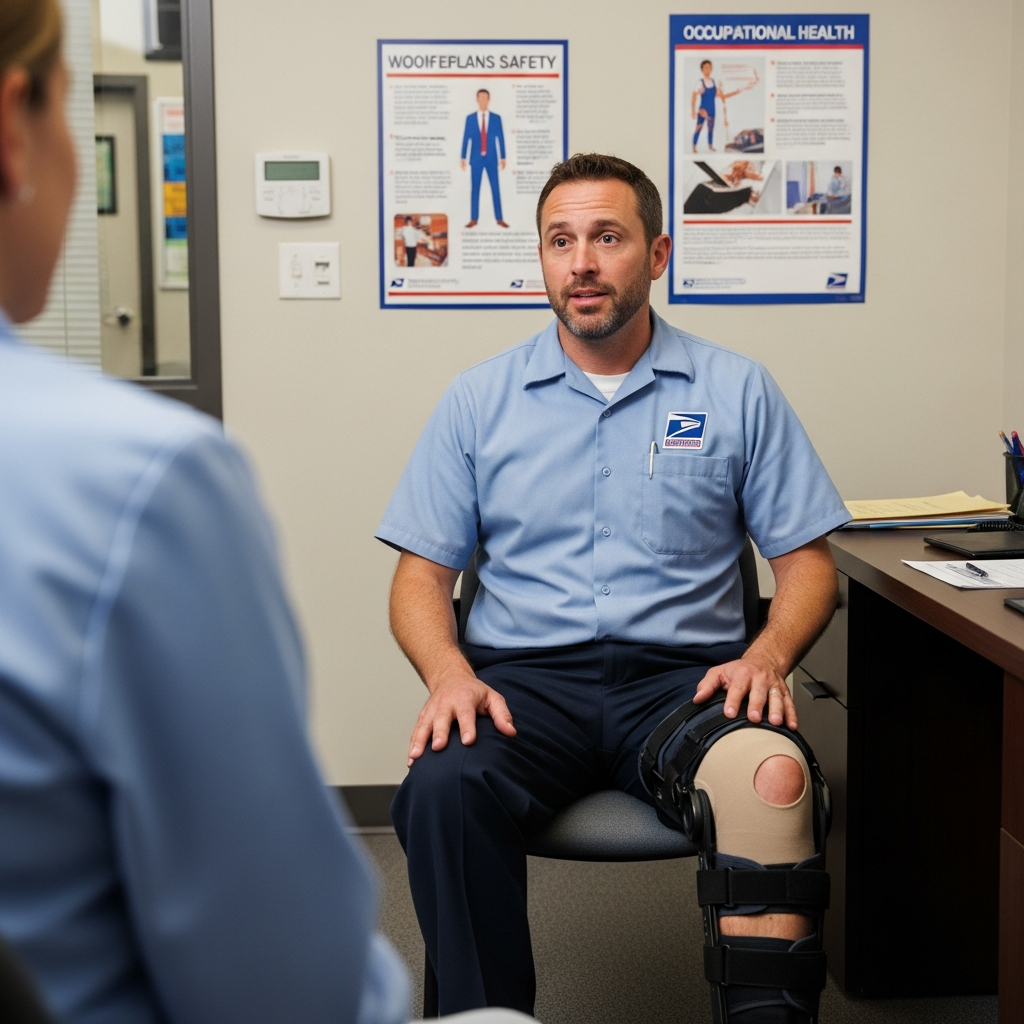
You’re rushing to catch the elevator when it happens – that awkward stumble that sends your ankle sideways and your coffee flying. Or maybe you’re lifting that box of files (the one you’ve lifted a hundred times before) when something in your back decides it’s had enough. Could be a slip on the wet lobby floor after yesterday’s storm, or even something as mundane as developing carpal tunnel from years of typing away at your desk.
Here’s the thing that probably crosses your mind right after the initial “ouch” – *will this be covered?* And honestly? That’s a perfectly reasonable question that most of us have no clue how to answer.
I’ve talked to countless people who found themselves in this exact spot. There’s Sarah, who tore her ACL stepping into a pothole in the company parking lot (yes, that counts). There’s Mike, who developed severe tendonitis from repetitive motion at his assembly line job. And don’t get me started on all the folks dealing with stress-related conditions that… well, let’s just say the connection to work isn’t always crystal clear.
The confusion is real, and it’s everywhere. One day you’re fine, doing your job like you always do. The next? You’re sitting in a doctor’s office wondering if your employer’s insurance will cover this, or if you’re about to get hit with medical bills that could seriously mess up your budget. Maybe you’re worried about missing work – and missing paychecks – while you recover.
The Gray Areas Are Where Most of Us Live
Here’s what makes workers’ compensation so tricky… it’s not just about dramatic workplace accidents anymore. Sure, if a forklift tips over or you fall off scaffolding, that’s pretty straightforward. But what about the stuff that happens gradually? The hearing loss from years of machinery noise. The back problems that developed over months of poor ergonomics. The anxiety disorder that started after a particularly traumatic incident at work.
And then there are those borderline situations that keep you up at night wondering. What if you got hurt during your lunch break but you were still on company property? What if your injury flared up over the weekend? What if you were doing something slightly outside your normal job duties when it happened?
I’ll be honest – the federal guidelines from the Department of Labor can feel like they’re written in another language sometimes. All those technical terms and legal definitions… it’s enough to make your head spin when you’re already dealing with pain or stress about your situation.
Why This Actually Matters More Than You Think
Look, nobody plans to get hurt at work. But here’s a reality check – workplace injuries happen to millions of Americans every year. We’re talking about everything from obvious accidents to repetitive strain injuries to occupational illnesses that develop over time. And if you’re working… well, you’re potentially one incident away from needing to understand this system.
The financial impact alone is huge. Medical bills can pile up fast, and if you can’t work while you’re recovering, that’s income you’re not bringing home. Workers’ comp isn’t just some bureaucratic safety net – it’s designed to be your lifeline when work literally hurts you.
But – and this is important – knowing what qualifies and what doesn’t can mean the difference between getting the support you need and being left to figure it out on your own. Because not everything that happens at work automatically qualifies, and not every work-related injury is as obvious as you might think.
What We’re Going to Sort Out Together
So that’s what we’re here to untangle. We’re going to break down exactly what the Department of Labor says about workers’ compensation eligibility – but in a way that actually makes sense for real people dealing with real situations.
You’ll learn what types of injuries and illnesses typically qualify (spoiler: it’s broader than you might expect). We’ll talk about those tricky timing issues, like when exactly an injury needs to happen to be covered. And we’ll get into some of the surprising scenarios that do and don’t qualify – because honestly, some of them might shock you.
Most importantly, you’ll walk away knowing how to protect yourself and what steps to take if something does happen. Because while we can’t prevent every workplace injury, we can definitely make sure you’re not caught off guard by the system designed to help you.
Who Actually Gets Covered (It’s More Complicated Than You’d Think)
Here’s the thing about workers’ comp – it’s like a safety net with some pretty specific holes in it. Most people assume if you work somewhere, you’re automatically covered. Not quite.
The basic rule sounds simple enough: if you’re an employee who gets hurt at work, you should be covered. But defining “employee” is where things get… well, messy. Independent contractors? Nope, usually not covered. Freelancers? Generally out of luck. That Uber driver who just got rear-ended? Probably fighting an uphill battle.
But here’s where it gets interesting – some states have started expanding coverage. California, for instance, has been treating certain gig workers more like employees for workers’ comp purposes. It’s like the whole system is slowly catching up to how people actually work these days.
The Federal vs. State Puzzle
This is probably the most confusing part of the whole system, and honestly? It trips up a lot of people – including some employers who should know better.
Think of workers’ compensation like traffic laws. The federal government sets some basic rules (like having traffic lights), but each state gets to decide the specifics (speed limits, right turn on red, etc.). So while the Department of Labor oversees certain federal programs, most workers fall under their state’s system.
Federal workers’ comp really only kicks in for specific groups: federal employees, longshoremen, harbor workers, and coal miners with black lung disease. If you work for the postal service or the IRS, you’re dealing with federal rules. But if you’re working at the local grocery store? That’s all state territory.
The “Course and Scope” Thing Everyone Talks About
This phrase gets thrown around a lot, and it’s actually pretty important. Your injury has to happen during the “course and scope” of your employment. Sounds fancy, but it’s really just asking: were you doing work stuff when you got hurt?
It’s like being in bounds versus out of bounds in sports. Step on that white line while making a play? You’re good. Wander into the stands to grab a hot dog? Different story.
But the boundaries aren’t always crystal clear. Say you’re grabbing coffee in the office kitchen and slip on a wet floor – that’s usually covered because, let’s be honest, coffee runs are part of office life. But if you decide to take a detour to the gym on your lunch break and hurt yourself there? That’s probably on you.
The tricky cases are things like company parties, work-from-home situations, or business travel. These create gray areas that lawyers love to argue about and injured workers hate to navigate.
When Things Go Sideways: The Exceptions
Every system has its exceptions, and workers’ comp has some doozies.
Intentional self-harm is obviously out – you can’t deliberately hurt yourself and expect coverage. Intoxication is another big no-no, though the rules vary by state. Some places have zero tolerance, others allow for blood alcohol levels that wouldn’t even get you a DUI.
Then there’s the “horseplay” exception – yes, that’s the actual legal term. If you’re goofing around and someone gets hurt, coverage gets complicated fast. It’s like the system is saying, “We’ll cover accidents, but not stupidity.”
Pre-existing conditions create another wrinkle. If you’ve got a bad back and it gets worse at work, that might be covered. But if you’re claiming your weekend hiking injury happened on the job… well, good luck with that.
The Modern Workplace Headaches
Remember when work happened at work? Those days feel pretty quaint now. Remote work, flexible schedules, and the gig economy have created scenarios the original workers’ comp laws never imagined.
If you’re working from home and trip over your dog while heading to grab work papers… is that covered? What about repetitive stress injuries from your home office setup? These questions are being hashed out in courts and state legislatures right now.
The truth is, the system is playing catch-up with reality. It was designed for a world where people clocked in at factories and offices, not for someone managing three different gig jobs from their kitchen table.
Understanding these fundamentals won’t make filing a claim any less stressful, but at least you’ll know what game you’re playing – even if the rules seem to change depending on which state you’re in.
Know Your State’s Quirks – They Matter More Than You Think
Here’s something most people don’t realize: workers’ comp isn’t actually federal law. The Department of Labor sets some guidelines, sure, but each state runs its own show. And trust me – the differences can be huge.
Take California versus Texas, for instance. California’s pretty generous with coverage… Texas? Well, they’re the only state where employers can actually opt out of workers’ comp entirely. Wild, right? So before you assume anything about your coverage, dig into your specific state’s rules. Your HR department should have this info, but honestly? They don’t always know the nitty-gritty details.
Document Everything (Yes, Even the “Minor” Stuff)
Look, I get it. You twisted your ankle stepping off a curb at work, and it feels silly to make a big deal about it. But here’s the thing – what seems minor today could become a major issue later. That little twinge? It might develop into chronic pain six months down the line.
Start a simple notebook or phone memo. Date, time, what happened, who saw it. Even if you don’t file a claim right away, you’ll have a paper trail. Take photos if there’s visible injury or if the workplace condition that caused it is still there.
And here’s a secret most people learn too late: report it to your supervisor immediately, even if you think you’re fine. Many states have strict reporting deadlines – sometimes as short as 30 days. Miss that window, and you might be out of luck entirely.
The Pre-Existing Condition Trap (And How to Navigate It)
This one’s tricky. Having a pre-existing condition doesn’t automatically disqualify you from workers’ comp… but it complicates things. Let’s say you’ve got a bad back, and then you lift something heavy at work and really mess it up. The insurance company will try to argue your injury was just your existing condition flaring up.
The key here is proving your work incident made things significantly worse. Keep detailed records of your symptoms before and after the incident. If you’ve been managing your back pain fine for months, then suddenly can’t get out of bed after that work incident – that’s the kind of documentation that matters.
Independent Contractors: You’re Probably Out of Luck (But Check Anyway)
If you’re a contractor, freelancer, or gig worker, workers’ comp typically doesn’t cover you. But – and this is important – sometimes companies misclassify employees as contractors to avoid paying benefits.
The real test isn’t what your contract says… it’s how much control the company has over your work. Do they set your schedule? Provide your tools? Tell you exactly how to do the job? You might actually be an employee in the eyes of the law, which could make you eligible for workers’ comp.
The Waiting Game: Understanding Benefit Delays
Most states have a “waiting period” before disability benefits kick in – usually 3-7 days. This means if you’re out of work for just a few days, you won’t get wage replacement. But here’s a little-known fact: if your disability lasts longer (often 14+ days), many states will pay you retroactively for those initial waiting days.
During this waiting period, you might be able to use sick leave or short-term disability. Don’t assume these benefits conflict with workers’ comp – they often work together, at least initially.
When Things Go Sideways: Appeal Process Secrets
Sometimes claims get denied for ridiculous reasons. The insurance company might argue your injury isn’t work-related, or that you waited too long to report it, or that you’re exaggerating your symptoms.
Here’s what most people don’t know: you can absolutely appeal these decisions. And the appeals process is usually more employee-friendly than the initial claim process. You’ll typically go before an administrative judge who’s seen every trick in the book from insurance companies.
But don’t go it alone. This is when having a workers’ comp attorney becomes crucial. Most work on contingency (they only get paid if you win), and they know exactly which medical evidence and legal arguments carry weight.
The Return-to-Work Reality Check
Eventually, you’ll need to think about going back to work. But “back to work” doesn’t always mean back to your old job. Your state might require your employer to offer “light duty” work if available.
Here’s the thing though – you generally can’t refuse reasonable light duty work and still collect full benefits. So if your company offers you a desk job while your broken leg heals, and you say no just because you prefer staying home… your benefits might stop.
The key word is “reasonable.” If they’re asking you to do work that aggravates your injury or pays significantly less, that’s worth challenging.
When the Paperwork Feels Like a Foreign Language
Let’s be honest – workers’ comp forms weren’t designed by people who actually fill them out. You’re dealing with medical jargon, legal terminology, and bureaucratic speak all rolled into one confusing mess. And here’s the thing… you’re probably trying to figure this out while you’re injured, stressed, and maybe on pain medication.
The solution? Don’t go it alone. Most states have workers’ comp ombudsman offices (fancy word for “people who help you navigate this nightmare”). They’re free, they’re on your side, and they speak fluent bureaucrat. Also, take photos of everything – your injury, the accident scene, damaged equipment. Your phone camera is your best friend here.
The Gray Area Between Work and Not-Work
This is where things get really murky. You slip on ice in the company parking lot – but it’s before you clocked in. You’re at the office holiday party and someone’s terrible karaoke causes you to flee in panic… straight into a door. These situations make even experienced lawyers scratch their heads.
The trick is understanding that “course of employment” is broader than you might think. Were you doing something that benefited your employer, even indirectly? That business lunch where you got food poisoning? Probably covered. The team-building retreat where you twisted your ankle during mandatory trust falls? Yeah, that counts too.
But here’s where people mess up – they assume something isn’t covered and don’t even file a claim. Wrong move. File anyway. Let them tell you no. You can always appeal, but you can’t go back in time to meet filing deadlines.
When Your Boss Suddenly Develops Amnesia
Oh, this is a fun one. Suddenly, the supervisor who saw your accident happen has zero recollection of events. The coworker who helped you to first aid? They’ve gone mysteriously quiet. Your employer might even suggest you were “horsing around” or violated some obscure safety protocol you’ve never heard of.
Document everything. And I mean everything. Send yourself emails about conversations. Keep a journal with dates, times, and witnesses. If someone tells you something important verbally, follow up with an email: “Hi Sarah, just confirming what we discussed at 2pm today about the incident on Tuesday…”
Also – and this might sound paranoid – but use your personal phone and email for claim-related communications. Company devices have a way of “malfunctioning” when litigation looms.
The Pre-Existing Condition Trap
This one’s particularly sneaky. You’ve got a bad back from years of desk work, then you lift something at the job and – boom – it goes out completely. Your employer’s insurance company will pounce on this like a cat on a laser pointer. “Ah-ha! Pre-existing condition! Not our problem!”
But here’s what they don’t want you to know: work doesn’t have to be the sole cause of your injury. It just needs to be a contributing factor. That concept of “aggravation” or “acceleration” of a pre-existing condition? It’s absolutely covered in most states.
The key is being upfront about your medical history while emphasizing how work made it worse. Don’t try to hide previous injuries – they’ll find out anyway, and it’ll just make you look dishonest.
When Independent Contractor Really Means “We Don’t Want to Pay Benefits”
You thought you were an employee, but suddenly you’re hearing terms like “1099” and “independent contractor” for the first time. Companies love this gray area because independent contractors don’t get workers’ comp protection.
Look at the reality of your situation, not what your contract says. Do you set your own hours, use your own tools, work for multiple clients? You might actually be an independent contractor. But if they control when, where, and how you work – if you’re essentially an employee in everything but name – you may have a case for coverage.
The Department of Labor has specific tests for this, and courts are getting increasingly skeptical of companies trying to dodge responsibility through creative job classifications.
The Waiting Game That Tests Your Sanity
Workers’ comp moves at the speed of bureaucracy, which is somewhere between continental drift and paint drying. You’re waiting for claim approval while bills pile up and your boss keeps asking when you’re coming back.
Stay on top of deadlines – yours and theirs. Most states require insurers to accept or deny claims within specific timeframes. If they’re dragging their feet, that might actually work in your favor. Many states have penalties for unreasonable delays.
And please, please don’t let financial pressure push you back to work too early. That’s often exactly what they’re hoping for.
What to Expect During the Claims Process
Let’s be honest – filing a workers’ compensation claim isn’t like ordering something online where you get instant tracking updates and a delivery date. It’s more like… well, dealing with any government process. There are steps, there’s paperwork, and yes, there’s waiting.
Most states give your employer between 7-14 days to report your injury to their insurance carrier once you’ve filed your claim. But here’s the thing – reporting doesn’t mean approving. Think of it like this: your employer is basically saying “hey, insurance company, one of our people got hurt and they’re saying it happened at work.” What happens next? That’s where things get interesting.
The insurance company then has their own timeline – usually 14-30 days depending on your state – to investigate and decide whether to accept or deny your claim. During this time, they might request medical records, interview witnesses, or even have you examined by their own doctor. It’s not personal (even though it might feel that way), it’s just their process.
If your claim gets approved right away, fantastic! You’ll start receiving benefits according to your state’s schedule. But if there are complications – maybe the circumstances of your injury aren’t crystal clear, or there’s a question about whether it’s truly work-related – things can stretch out longer.
When Things Don’t Go Smoothly
Here’s what nobody really prepares you for: about 7-10% of workers’ comp claims get denied initially. Sometimes it’s because of missing paperwork, sometimes because the insurance company disputes that your injury happened at work, and sometimes… well, sometimes it feels arbitrary.
If your claim gets denied, don’t panic. You’ve got options, and honestly, many denials get overturned on appeal. But (and this is important) you typically only have 30-90 days to file that appeal, depending on your state. Miss that window, and you’re basically starting over.
The appeals process involves an administrative hearing – think small claims court, but for workers’ comp. You’ll present your case to a judge who specializes in these matters. This is where having documentation becomes crucial. Remember all those medical records and incident reports we talked about earlier? This is their moment to shine.
Managing Your Expectations About Money
Let’s talk about the elephant in the room – how much you’ll actually receive. Workers’ compensation typically pays about two-thirds of your average weekly wage, but there are caps. In most states, there’s a maximum weekly benefit that might be lower than what two-thirds of your actual salary would be.
So if you’re used to bringing home $1,200 a week, you might be looking at $600-800 in workers’ comp benefits, depending on your state’s maximum. It’s not going to maintain your exact lifestyle, and that’s… well, that’s just how the system works.
The payments usually don’t start immediately, either. Even with an approved claim, there’s often a waiting period – typically 3-7 days – before benefits kick in. Some states waive this if you’re out of work for more than a certain period, but initially, you might be covering those first few days out of pocket.
Your Next Steps Right Now
If you haven’t filed yet but think you need to, here’s your immediate action plan: Report the injury to your supervisor in writing (email counts, but keep a copy), seek medical attention and make sure the doctor knows it’s work-related, and request the official claim forms from HR or your supervisor.
Already filed but waiting to hear back? This is the hardest part – the limbo. Use this time to gather any additional documentation you might need. Follow up with your doctor to ensure all reports are complete. Keep a simple log of how your injury affects your daily activities. These details matter more than you’d think.
If you’re dealing with a denial or complications, don’t try to navigate the appeals process alone. Most states have workers’ comp attorneys who work on contingency (they only get paid if you win), and many also have ombudsman programs – basically, free help from people who know the system inside and out.
The Long View
Most straightforward workers’ comp claims resolve within 2-4 months. Complex cases – those involving permanent disability, disputed circumstances, or multiple medical opinions – can stretch on for a year or more. It’s frustrating, but it’s also normal.
The key thing to remember? This system exists because you deserve protection when you get hurt doing your job. It’s not perfect, it’s not fast, but it’s there for a reason. Stay patient, stay organized, and don’t hesitate to ask for help when you need it.
You know what? After walking through all these details about workers’ compensation eligibility, I hope you’re feeling a bit more confident about where you stand. It’s a lot to absorb – trust me, I get it. The whole system can feel like it’s designed to confuse rather than help, but here’s the thing… you’re not expected to navigate this maze alone.
When the Pieces Don’t Quite Fit
Sometimes your situation might feel like it falls into a gray area. Maybe you’re wondering if that work-from-home injury really counts, or whether your part-time status affects your eligibility. These uncertainties are completely normal – and honestly? They’re exactly why having someone knowledgeable in your corner makes such a difference.
The truth is, every case has its own quirks and complications. What seems straightforward on paper can get messy in real life (because life itself is messy, right?). That nagging back injury that developed gradually over months… that slip on the office stairs during your lunch break… that repetitive stress injury from years of typing – they all deserve proper attention and care.
Your Health Shouldn’t Wait for Paperwork
Here’s something I want you to remember: while you’re figuring out the workers’ compensation process, your body is still healing – or trying to heal. Don’t let bureaucracy delay the care you need. Your physical and mental wellbeing can’t be put on hold while forms get processed and decisions get made.
This is especially important if you’re dealing with an injury that’s affecting your ability to maintain a healthy weight or stick to wellness routines. Workplace injuries have a funny way of disrupting everything – your exercise habits, your sleep patterns, even your eating schedule. It’s like dominoes falling… one thing affects another, and suddenly your whole health routine is off track.
You Don’t Have to Figure This Out Solo
Look, I’ve seen too many people struggle through this process feeling isolated and overwhelmed. They think they should have all the answers, understand every form, know exactly what steps to take next. But honestly? That’s not realistic, and it’s not necessary.
Whether you’re dealing with a clear-cut case or something more complicated, having support makes everything more manageable. Sometimes you just need someone to listen to your concerns, help you understand your options, or simply remind you that what you’re going through is valid and deserving of proper care.
Taking the Next Step
If you’re reading this and thinking, “Okay, but what do I actually do now?” – that’s a perfectly reasonable question. Maybe you’re still unsure if your situation qualifies, or perhaps you know it does but feel overwhelmed by the process ahead.
Here’s what I’d love for you to do: reach out to us. Not because we’re trying to sell you something, but because we genuinely understand how workplace injuries can derail your health and wellness goals. We’ve helped people navigate these challenges while still prioritizing their overall wellbeing.
Give us a call or send a message. Let’s talk through your situation – no pressure, no judgment, just real conversation about what you’re dealing with and how we might be able to help. You deserve support during this time, and honestly? You don’t have to carry this weight alone.